All work

Embedded hardware + robotics · 2026

Harold Robotics

Harold is where I work directly with the physical limits of a product: a real display, real sensors, embedded timing, power constraints, and behavior that has to make sense on the device—not just in a browser mockup.

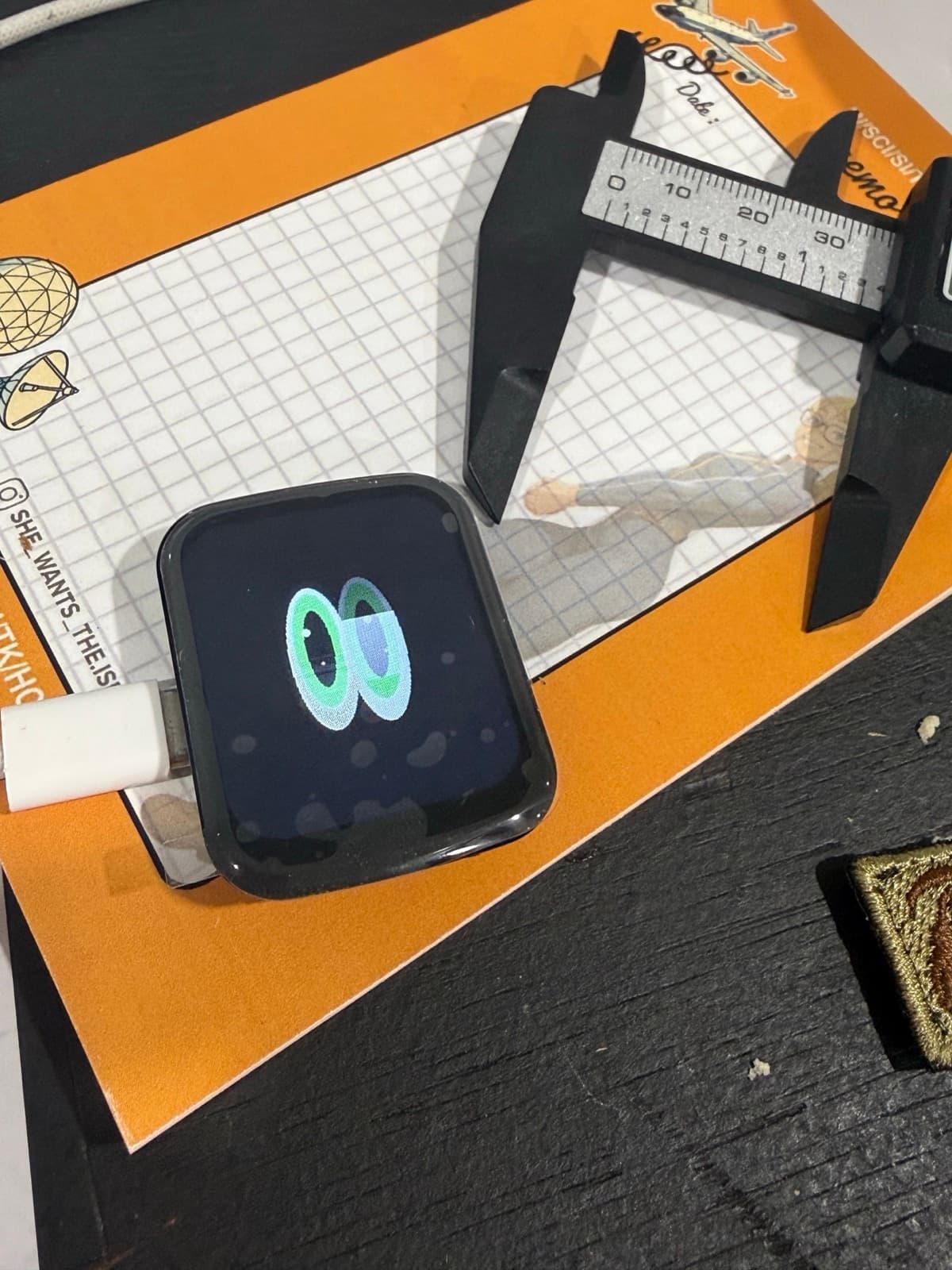
Harold prototype display showing a procedural face beside digital calipers
A live face running on the physical display during bench work.Local MaxBot bench-proof photograph.
My role
Product and embedded engineering
Status
Bench prototype
Contribution
Hardware bring-up, local interaction design, firmware states, and evidence-based release work.
01

Here’s the problem

The work has to make sense before the interface can.

A hardware prototype can look complete long before the physical system is actually proven. The work needs a clean line between browser concepts, compiled firmware, flashed hardware, and behavior observed on the bench.
02

What made this difficult

The environment is part of the product.

  • The interface has to remain readable on a 240 × 280 display.
  • Firmware, build artifact, flashed target, and observed behavior are separate evidence levels.
  • Child and family surfaces stay local-first without implying accounts, surveillance, or cloud control.
03

Decisions that shaped it

I made the hard boundaries visible.

Design for the real screen

The face and games are shaped around the display, touch target, and hardware state rather than a desktop composition.

Keep evidence traceable

Releases record the source commit, build artifact, flashed target, and observed behavior separately.

Keep the product local

The current direction avoids accounts, microphones, cameras, and invented cloud capabilities.

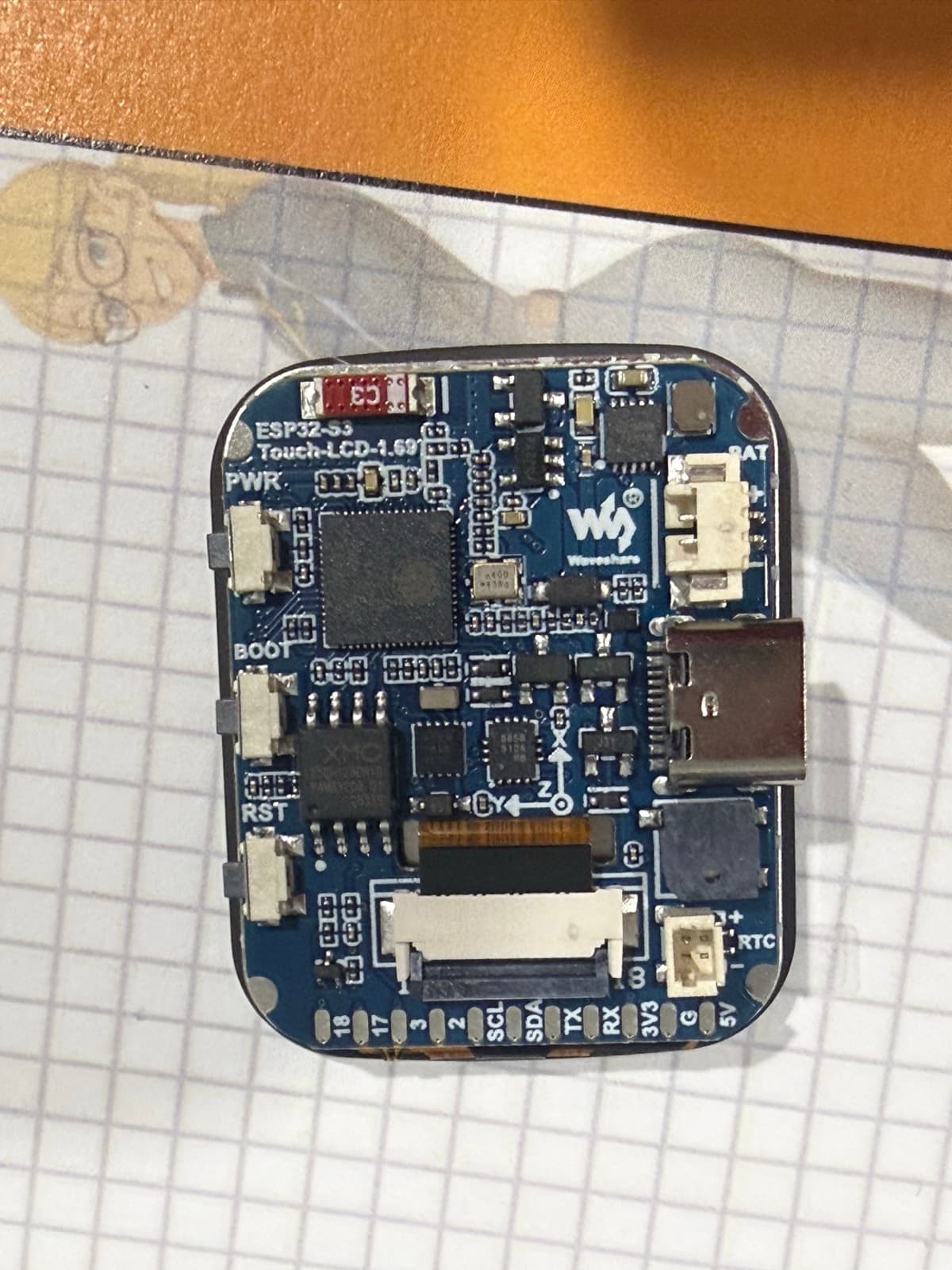
ESP32-S3 development board used for the Harold prototype
The embedded board behind the current display and interaction work.Local MaxBot bench-proof photograph.
04

What I built

Enough of the system to test the real seam.

  • ESP32-S3 firmware with display, touch, IMU, and local interaction states.
  • Procedural face system and direct game access designed for a small physical screen.
  • Browser-based interaction labs kept separate from physical device acceptance.

What is true now

A working bench platform and a disciplined path for developing the personality, interface, and firmware without overstating what the hardware has proven.

Limits I’m keeping honest

  • Browser simulations do not validate the physical LCD, touch, IMU, battery, RF, or timing.
  • The portfolio does not imply remote device control or collected child data.

Next

Continue closing the gap between versioned firmware behavior and what is observed on the physical device.

Next case study

PATCH22

A problem like this hiding in your operation?

Bring me the difficult part.

Start a conversation